

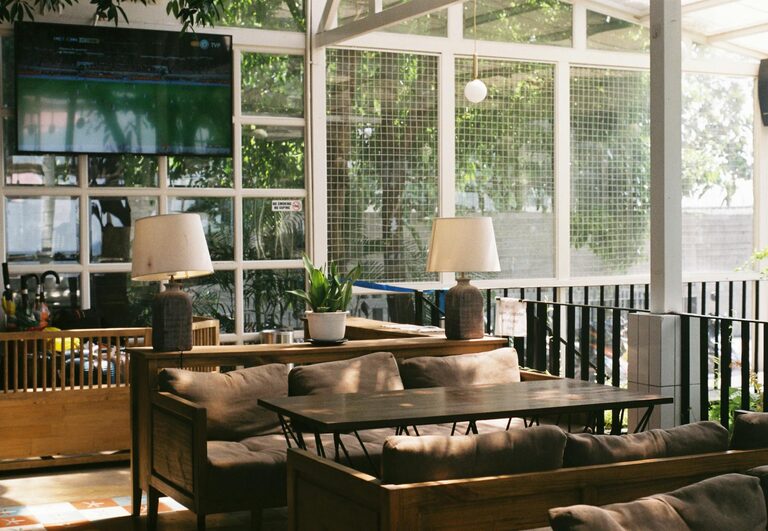
Creating a relaxing outdoor garden space at home is a wonderful way to enjoy fresh air, connect with nature, and find a peaceful retreat without leaving your property. Whether you have a large backyard or a modest balcony, there are plenty of opportunities to design a garden that feels calming and inviting. This guide offers practical tips and ideas to help you transform your outdoor area into a serene sanctuary.
Planning Your Garden Space
Before you start planting or buying furniture, it’s important to plan your garden carefully. Consider the size of your space, the natural light it receives, and how you intend to use it.
Assess Your Space and Climate
– Sunlight: Identify which parts of your garden get full sun, partial shade, or full shade throughout the day. This will help you select the right plants.
– Wind and Weather: Consider if your garden is exposed to strong winds or heavy rain. Position seating or structures where they are sheltered.
– Size: Even a small patio or balcony can feel like a peaceful garden with the right layout and plants.
Define Your Purpose
Think about what will make your garden relaxing for you. Do you want a quiet nook for reading, a space for meditation, or an area to entertain friends and family? Knowing the purpose will guide your choices for furniture, plants, and decor.
Choosing Plants for Serenity
Plants are the heart of any garden and can strongly influence the atmosphere. When selecting plants, think about scent, colour, and texture.
Calming Plant Choices
– Lavender: Known for its soothing scent and beautiful purple flowers.
– Jasmine: Produces sweet-smelling flowers, perfect for evening calm.
– Ferns: Add lush green texture and thrive in shade.
– Herbs: Rosemary, thyme, and mint not only smell delightful but can also be used in cooking.
– Grasses and Bamboo: These can add gentle movement and soft rustling sounds in the breeze.
Consider Biodiversity
Attracting birds, bees, and butterflies can enhance the sensory experience of your garden. Plant native species and include flowering plants that provide nectar.
Creating Comfortable Seating Areas
A garden isn’t complete without a comfortable place to relax. Selecting the right seating can help you spend more time outdoors.
Seating Options
– Benches: Classic and sturdy, ideal for smaller spaces.
– Hammocks or Swings: Add a playful, relaxing element.
– Outdoor Sofas: Great for entertaining or lounging.
– Chairs with Cushions: Easy to move around and personalise.
Make sure your seating area has some shade during sunny days. Consider adding an umbrella, pergola, or planting a tree nearby.
Adding Water Features for Relaxation
Water has a naturally calming effect. Including a water feature in your garden helps create a soothing atmosphere.
Types of Water Features
– Small Ponds: Provide habitat for wildlife and a reflective surface.
– Fountains: The sound of trickling water can mask noise pollution.
– Birdbaths: Attract birds, adding life and gentle sounds.
Regular maintenance is important to keep water clear and algae-free.
Using Lighting to Extend Usage
Proper outdoor lighting allows you to enjoy your garden during evenings and darker months.
Lighting Tips
– Soft, Warm Lights: Use solar or LED lanterns for gentle illumination.
– String Lights: Create a magical atmosphere along fences or pergolas.
– Pathway Lights: Ensure safety and highlight garden features.
– Spotlights: Use to accentuate plants or water features.
Avoid harsh, bright lights that disturb the tranquil mood.
Personalising with Decor and Accessories
Adding thoughtful decorations can make your garden feel uniquely yours.
Decorative Ideas
– Outdoor Rugs: Add colour and texture while defining seating areas.
– Cushions and Throws: Provide comfort and style.
– Garden Art: Choose sculptures, wind chimes, or pottery that suit your taste.
– Planters and Containers: Offer flexibility for rearranging plants and adding height.
Choose materials and colours that complement the natural surroundings.
Maintaining Your Garden Space
A relaxing garden requires some care to stay inviting.
Maintenance Tips
– Regular Weeding: Keeps plants healthy and tidy.
– Watering Routine: Adapt to seasonal needs, or use self-watering pots.
– Pruning: Encourages better growth and shape.
– Cleaning: Keep paths, furniture, and water features clean.
Consider setting aside a little time each week to nurture your garden.
Final Thoughts
Creating a relaxing outdoor garden space is a rewarding project that benefits your mind and body. By carefully planning your garden, choosing suitable plants, adding comfortable seating, and including soothing elements like water and lighting, you can build a peaceful retreat that fits your lifestyle and space. Remember, a garden is a personal haven, so let your creativity guide you and enjoy every moment spent in your new outdoor sanctuary.