

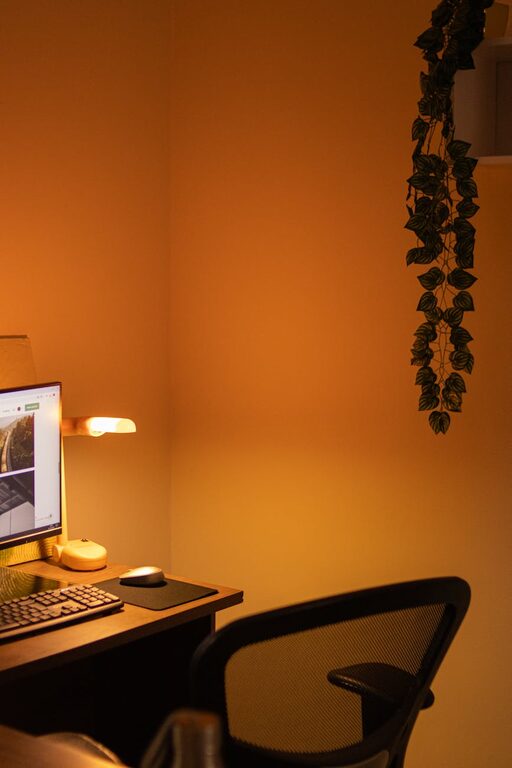
Creating a relaxing home workspace is essential for maintaining focus and comfort, especially as more people work remotely. A well-designed area not only boosts productivity but also helps reduce stress and improve overall wellbeing. Whether you have a dedicated room or a small corner of your home, these tips will guide you in setting up an environment that makes work feel enjoyable and efficient.
Choosing the Right Location
Start by selecting a spot in your home that suits your work needs. Ideally, this should be a quiet area with minimal distractions. Consider these factors:
– Natural light: Position your desk near a window if possible. Natural light can improve mood and reduce eye strain.
– Noise levels: Choose a room or corner away from household noise like televisions or busy kitchens.
– Space: Ensure there’s enough room for your desk, chair, and any equipment you need.
If space is limited, think creatively about using screens or room dividers to section off a dedicated workspace within a living area.
Investing in Comfortable Furniture
Comfort is key to sustaining long hours of work without discomfort. Here’s what to focus on:
– Ergonomic chair: Look for adjustable chairs that support your lower back and encourage good posture.
– Desk height: Your desk should allow your elbows to be at a 90-degree angle when typing or writing.
– Footrest: If your feet don’t rest flat on the floor, consider a footrest to improve circulation and posture.
Comfortable furniture reduces physical strain and helps you stay focused longer.
Keeping the Workspace Organised
Clutter can be distracting and stressful, so organisation is important. Follow these simple steps:
– Storage solutions: Use shelves, drawers, or boxes to keep paperwork and supplies tidy.
– Desk layout: Keep only essentials on your desk to avoid distractions.
– Cable management: Use clips or ties to keep cords neat and prevent tangling.
A clean and organised workspace promotes a calm mind and better concentration.
Personalising Your Workspace
Adding personal touches can make your home office more inviting and relaxing:
– Plants: Indoor plants improve air quality and add a splash of colour.
– Photos or artwork: Display images that inspire and motivate you.
– Soft lighting: Use lamps or string lights instead of harsh overhead lights to create a cosy atmosphere.
Personalisation helps create a sense of ownership and makes working from home more enjoyable.
Controlling Lighting and Temperature
The right environment supports productivity and comfort:
– Adjustable lighting: Use a combination of natural light, task lighting, and ambient light. Avoid glare on your screen.
– Temperature control: Keep the room at a comfortable temperature – not too hot or cold.
– Ventilation: Fresh air circulation can improve alertness and mood.
By controlling light and temperature, you create an environment that supports sustained focus.
Minimising Distractions
Distractions can reduce productivity and increase stress. Consider these strategies:
– Set boundaries: Inform household members of your work hours.
– Limit digital distractions: Use apps or browser extensions to block non-work-related sites during work time.
– Noise control: Use noise-cancelling headphones or white noise machines if needed.
Reducing interruptions helps maintain your workflow and concentration.
Incorporating Movement and Breaks
Regular movement and short breaks improve comfort and productivity:
– Stretching: Take a few minutes every hour to stretch your body.
– Changing posture: Stand up or sit down alternately if possible, using sit-stand desks or adjustable chairs.
– Break area: Create a separate space to relax during breaks to mentally separate work and rest time.
Incorporating these habits supports long-term physical and mental wellbeing.
Using Calming Colours and Materials
Colour psychology can influence mood and productivity:
– Soft neutrals: Shades like beige, pale grey, or soft blues create a peaceful atmosphere.
– Natural materials: Wood and mellow fabrics add warmth and texture.
– Avoid bright, intense colours: These can be distracting or overly stimulating.
Choosing calming colours and textures can create a restful environment that promotes focus.
—
Final Thoughts
A relaxing home workspace combines comfort, organisation, and personal touches to create an environment that supports your best work. By carefully considering location, furniture, lighting, and atmosphere, you can build a space that helps you stay productive and comfortable throughout your workday. Take the time to adjust and personalise your area – small changes can make a big difference to your wellbeing and efficiency.