

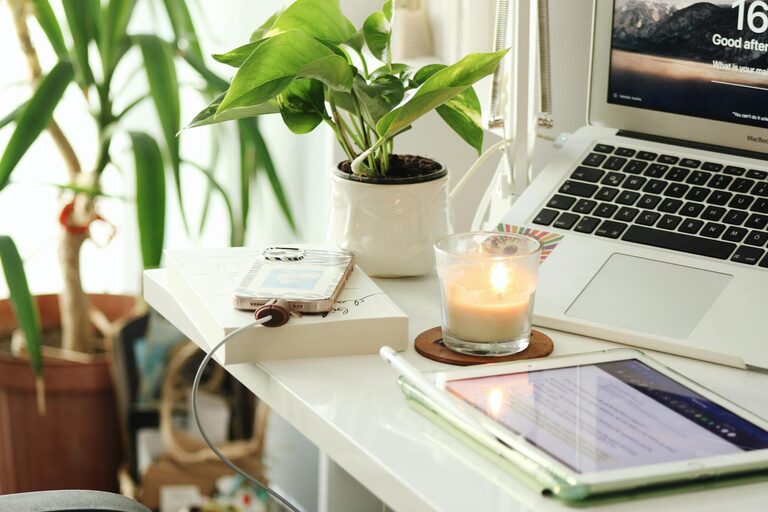
Creating a home office that is both relaxing and productive can transform your work-from-home experience. An environment that feels comfortable yet encourages focus can improve your efficiency and well-being. Whether you have a dedicated room or a small corner, these tips will help you design a workspace that meets your needs.
Choose the Right Location
Finding the right spot in your home is essential. Aim for a space with ample natural light to reduce eye strain and boost mood. If possible, select a quiet area away from distractions like televisions or busy family zones. Even a small space next to a window can work well.
Consider the following when choosing your location:
– Proximity to household noise
– Access to power outlets
– Space for your desk and storage
Invest in Comfortable Furniture
Your furniture plays a big role in both comfort and productivity. A supportive chair and a desk at the correct height help prevent back and neck pain. When shopping, look for ergonomic features:
– Adjustable chair height and lumbar support
– Desk with enough surface area for your computer and essentials
– Footrest or adjustable monitor stand if needed
Sitting for long periods can be harmful, so consider a sit-stand desk or take regular breaks to move.
Organise Your Workspace
A tidy workspace can reduce stress and help you stay focused. Using storage solutions keeps clutter off your desk and makes it easier to find what you need. Think about:
– Drawers or filing cabinets for documents
– Shelves or organisers for office supplies
– Cable management tools to keep wires neat
Try to clear your desk at the end of each day to start fresh the next morning.
Optimise Lighting
Good lighting goes beyond natural light. In the evenings or on dull days, use a combination of overhead lights and task lamps. Proper lighting helps prevent headaches and maintains energy levels.
Tips for lighting your home office:
– Position your desk near a window but avoid glare on your screen
– Use adjustable desk lamps for detailed work
– Choose bulbs with daylight or warm white tones to suit your preference
Personalise Your Space
Adding personal touches makes your office a more inviting place. Photos, plants, or artwork can boost your mood and creativity. However, keep decorations minimal to avoid distractions.
Here are some ideas:
– A small potted plant to improve air quality
– Inspirational quotes or artwork on the wall
– A comfortable rug or cushions for added warmth
Minimise Distractions
When working from home, distractions can seriously impact productivity. Set boundaries with family members or roommates to respect your working hours. Use headphones to block out noise if needed.
Additional tips:
– Turn off non-work notifications on devices
– Use apps or timers to stay focused during work periods
– Keep your phone out of reach unless needed for work
Maintain Good Air Quality and Temperature
Fresh air and a comfortable temperature can help you concentrate better. If possible, open windows regularly to let in fresh air. Adjust heating or cooling to maintain a comfortable environment.
Consider:
– Using an air purifier for better air quality
– A fan or heater for temperature control
– Plants that improve indoor air quality, such as spider plants or peace lilies
Take Regular Breaks and Move
Even with the best environment, long periods of sitting can cause fatigue. Set a timer to remind yourself to stand, stretch, or walk around every hour. This helps prevent stiffness and keeps your energy up throughout the day.
Create a Routine
Having a daily routine reinforces the separation between work and home life. Start your day by organising your tasks, and try to finish work at a set time. This helps maintain balance and reduces stress.
Use Technology Wisely
Make sure your computer, internet, and software tools are reliable and up to date. Slow or outdated technology can frustrate and reduce productivity.
Some suggestions:
– Invest in a strong Wi-Fi connection
– Use noise-cancelling headphones for video calls
– Backup important work regularly
Conclusion
Designing a home office that is both relaxing and productive takes a bit of planning, but the benefits are worth it. By focusing on location, comfort, organisation, lighting, and personal touches, you can create a workspace that inspires your best work while keeping you calm and comfortable. Remember to prioritise breaks and maintain a good routine to support your overall well-being.