

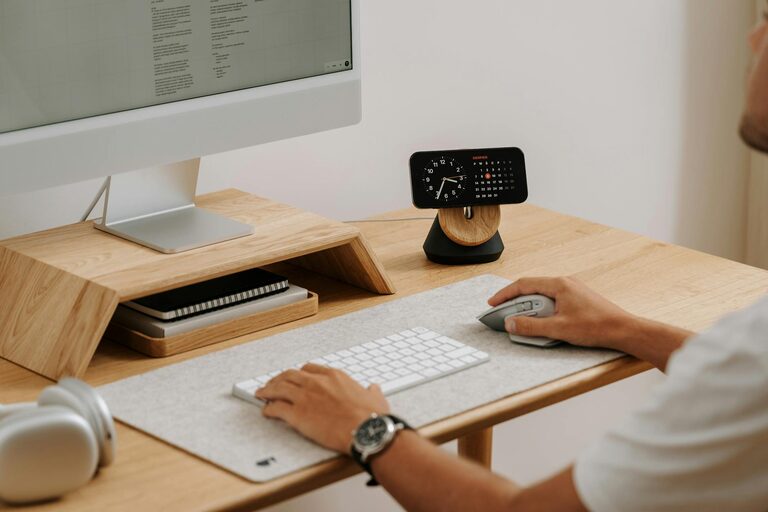
Creating a home office that feels both relaxing and productive can be a game-changer for your work-from-home routine. A well-designed workspace helps you maintain focus, reduce stress, and improve overall job satisfaction. Whether you have a dedicated room or a small corner, these tips will guide you in setting up an environment where your best work can happen.
Choose the Right Location
Selecting the most suitable spot for your home office is the foundation of a good workspace. Ideally, this should be:
– Away from household distractions
– Well-lit with plenty of natural light
– Spacious enough for your equipment and materials
If a separate room isn’t possible, consider using a quiet corner or a part of your living area that you can consistently use as your office.
Invest in Comfortable and Ergonomic Furniture
Comfort is key when spending long hours at your desk. Ergonomic furniture supports good posture and reduces discomfort, helping you stay focused. Consider:
– A chair with adjustable height, lumbar support, and armrests
– A desk at the right height so that your elbows rest comfortably at a 90-degree angle
– A keyboard and mouse that fit your hands comfortably
Standing desks or adjustable desks can also offer the flexibility to alternate between sitting and standing, which benefits overall health.
Optimize Lighting
Good lighting reduces eye strain and enhances your mood. Maximising natural light is ideal, but you’ll also want to ensure adequate artificial lighting for cloudy days or late work sessions.
– Position your desk near a window if possible
– Use a desk lamp with adjustable brightness
– Avoid harsh overhead lights or direct glare on your screen
Warm, soft white bulbs tend to create a calm atmosphere, but you can use brighter daylight bulbs for tasks that require more focus.
Declutter and Organise Your Space
A neat, organised desk helps keep your mind clear and reduces stress. Try these organisation tips:
– Use desk organisers for pens, papers, and small items
– Keep cables tidy with clips or organisers
– Store infrequently used items in drawers
Make a habit of clearing your workspace at the end of each day to maintain a fresh start tomorrow.
Personalise Your Workspace
Adding a few personal touches can make your office feel more inviting and less sterile. Some ideas include:
– Displaying a few photos, artworks, or inspirational quotes
– Adding plants which improve air quality and add life to the room
– Using colours that make you feel calm and inspired, such as soft blues, greens, or neutrals
Remember to avoid clutter; select only a few meaningful items.
Minimise Distractions
Creating boundaries between work and home life can be challenging but is vital for productivity. To reduce distractions:
– Set specific work hours and communicate them to friends and family
– Consider noise-cancelling headphones if your environment is noisy
– Turn off non-essential notifications on your devices
Clear physical and mental boundaries will help you focus better during work hours.
Use Technology to Your Advantage
Technology can streamline your work but also distract if not managed properly. Here’s how to leverage it wisely:
– Choose productivity apps to manage tasks and time, such as calendars or to-do lists
– Use screen filters or blue light glasses for eye comfort
– Regularly back up your work to avoid data loss
Keep your software updated and learn keyboard shortcuts to save time.
Maintain Good Air Quality and Temperature
A comfortable temperature and fresh air can affect your concentration and well-being. Some suggestions:
– Keep your room well-ventilated by opening windows when weather permits
– Use a fan or heater to regulate temperature during extreme weather
– Consider an air purifier if you live in polluted areas or have allergies
A pleasant environment helps maintain energy levels throughout your working day.
Take Regular Breaks and Move Around
No matter how well you design your space, staying seated for hours isn’t healthy. Make a point of:
– Taking short breaks every hour to stretch or walk around
– Practising eye exercises like the 20-20-20 rule: look at something 20 feet away for 20 seconds every 20 minutes
– Setting alarms or reminders to encourage movement
Regular movement reduces fatigue and increases productivity.
Final Thoughts
Creating a home office that is both relaxing and productive involves balancing comfort, organisation, and personal style. By thoughtfully selecting your space, furniture, lighting, and decorations, you can build an environment that makes working from home enjoyable and efficient. Remember to keep your workspace clutter-free, minimise distractions, and take care of your physical health through regular breaks and good ergonomics. With these tips, you’re well on your way to a home office that supports your best performance, day after day.