

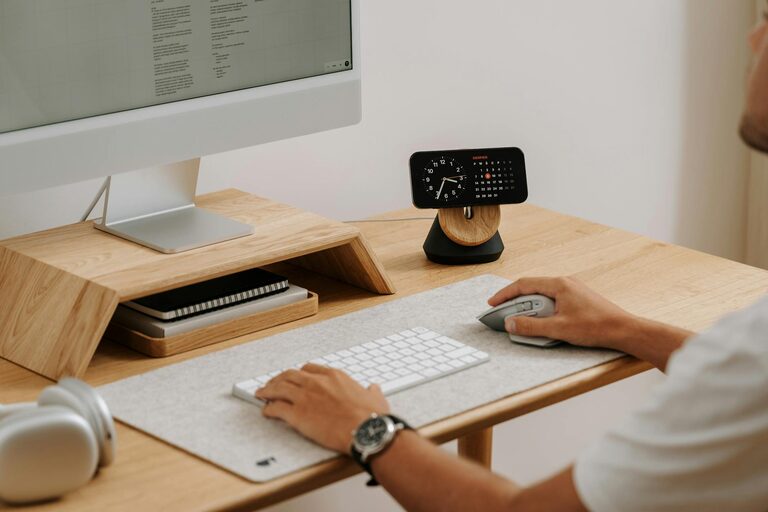
Working from home has become a norm for many, making a well-designed home office essential for productivity and comfort. Whether you’re new to remote work or looking to improve your current setup, creating a space that supports concentration and efficiency can make a significant difference. Here are practical tips to help you build a productive home office environment.
Choosing the Right Location
Selecting the ideal spot for your home office is the first step towards productivity.
– Find a quiet area: Choose a space away from high-traffic zones in your home to minimise distractions.
– Natural light: Position your desk near a window if possible, as natural light can boost mood and energy.
– Dedicated space: Ideally, your office should be a separate room or clearly defined area to create a mental separation between work and home life.
Ergonomic Furniture for Comfort and Health
Comfort is key when spending hours at your desk. Poor ergonomics can lead to discomfort and health issues.
– Invest in a good chair: Select an adjustable chair that supports your lower back and encourages good posture.
– Desk height: Ensure your desk allows your arms to rest at around a 90-degree angle when typing.
– Monitor placement: Position your computer screen at eye level to prevent neck strain.
Organise Your Workspace
A tidy and organised workspace helps keep your mind clear and your tasks manageable.
– Declutter regularly: Remove unnecessary items from your desk to reduce distractions.
– Use storage solutions: Utilise shelves, drawers and organisers to keep documents and supplies orderly.
– Cable management: Tidy cables with clips or sleeves to avoid a messy appearance.
Lighting Matters
Proper lighting reduces eye strain and creates an inviting atmosphere.
– Combine natural and artificial light: Use natural light during the day and quality desk lamps for evening work.
– Avoid glare: Position screens to minimise reflections from windows or lights.
– Adjustable lighting: Consider using adjustable lamps so you can customise brightness according to tasks.
Minimise Distractions
Maintaining focus at home requires managing potential interruptions.
– Set boundaries: Communicate with family or housemates about your working hours.
– Use noise-cancelling headphones: These can help block out background noise.
– Limit phone and social media usage: Consider apps or settings that reduce notifications during work time.
Personalise Your Space
Adding personal touches can make your home office more enjoyable and motivating.
– Incorporate plants: Indoor plants can improve air quality and create a calm environment.
– Artwork and photos: Surround yourself with items that inspire and uplift you.
– Choose colours wisely: Soft, neutral tones promote calmness, while pops of colour can enhance creativity.
Technology and Connectivity
Reliable technology ensures smooth workflow and communication.
– Invest in fast internet: A strong connection reduces frustration during virtual meetings and online tasks.
– Regular updates and backups: Keep your software updated and back up important files to prevent data loss.
– Use productivity tools: Explore apps for task management, note-taking, and scheduling to stay organised.
Establish a Routine
A routine helps delineate work time from personal time, enhancing overall productivity.
– Set regular working hours: Stick to consistent start and finish times.
– Take breaks: Short, frequent breaks improve focus and reduce fatigue.
– Start and end rituals: Develop simple habits like making a cup of tea before work or tidying your desk at the end of the day to signal transitions.
—
Creating an effective home office environment is about combining comfort, organisation and good habits to support your unique working style. By paying attention to your physical setup and daily routine, you can foster an environment that helps you stay motivated and productive. Remember, small changes can lead to significant improvements in how you work from home.